

From the Brand Perspective: Success Is Both Emotional and Measurable
For brands, success isn’t purely about impressions or attendance numbers.
It’s about emotional engagement; the moment when an experience connects in a way that feels real, memorable, and aligned with the brand’s purpose.
But that emotional outcome lives alongside something else: measurable impact.
Internally, stakeholders need KPIs: sales lift, lead quality, conversion signals, brand sentiment. Externally, audiences experience something different, something sensory and emotional.
That duality matters.
As discussed in the conversation, B2B and B2C environments define success differently:
- B2B experiences often prioritize pipeline impact, sales conversations,
and long-term account value. - B2C activations may lean more heavily on social engagement,
cultural resonance, and loyalty-building.

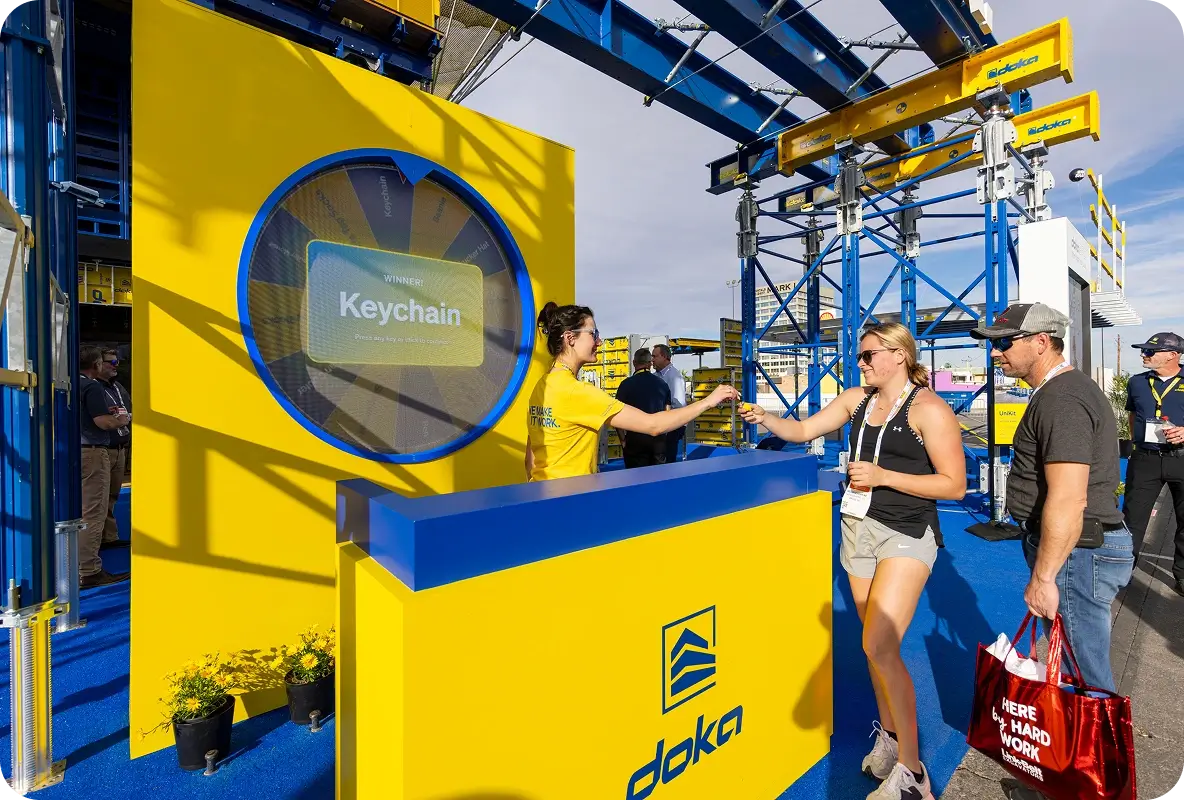
But regardless of audience, the most effective experiences
balance three layers:
- Emotional connection
- Strategic intent
- Measurable outcome
When one dominates at the expense of the others, the experience can feel hollow or misaligned.
Where Misalignment Creeps In
If brands and partners all want success, why does tension still surface?
Often, it’s not about vision. It’s about assumptions; assumptions around timing, bandwidth, approval processes, and what execution requires.
One common friction point is lead time. From a brand perspective, agility feels necessary and often is. But execution realities operate within constraints: fabrication timelines, technical planning, labor scheduling, integration testing.
When those realities aren’t surfaced early, expectations drift.
Another common breakdown is process layering. As organizations grow, so do approval chains. What begins as collaboration can turn into delay.
Email threads replace real-time conversation. Decision-making slows. Clarity erodes.
And by the time teams are on-site, everyone is solving rather than aligning.
The issue isn’t capability, it’s structure.
Collaboration Isn’t a Buzzword — It’s Infrastructure
One theme stood out clearly in the discussion: communication is collaboration.
Long-term partnerships demonstrate this best. When brand, agency, and production teams have worked together over time, they develop shared language and trust. Briefs are clearer. Assumptions are surfaced earlier. Execution feels smoother, not because it’s simple, but because alignment is intentional.
Strong collaboration requires:
- Clear briefs
- Realistic timelines
- Early inclusion of execution partners
- Empathy across roles
When brands understand the pressures of ground-level production, and production teams understand the internal pressures brands face, the work improves.
Not because it’s flashy, but because it’s aligned.

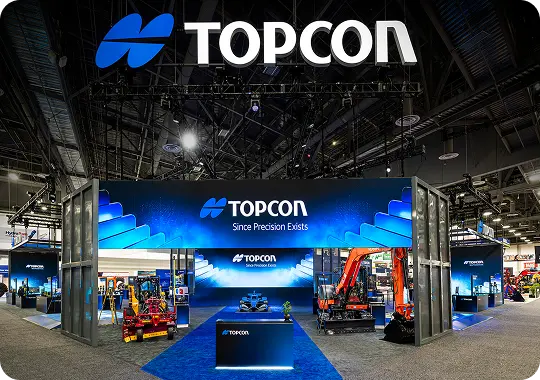
What Better Looks Like
If experiential success requires emotional resonance, measurable impact, and operational clarity, then better collaboration starts upstream.
It means:
- Defining success early, not after the show
- Distinguishing internal metrics from audience impact
- Reducing unnecessary layers
- Prioritizing direct conversation over prolonged digital back-and-forth
It also means acknowledging that execution is not the final step, it is the translation layer between strategy and reality.
When brands, exhibit houses, agencies, and production teams share a definition of success from the beginning, fewer compromises happen at the end.
Closing Perspective
Experiential marketing is inherently dynamic. It lives at the intersection of emotion, strategy, and logistics.
Success isn’t singular. It’s layered.
And when those layers are aligned early; emotionally, strategically, and operationally, the work doesn’t just look good.
It works.